
Roof flashing is a fundamental, yet frequently overlooked, element in a well-constructed roofing system. Many Orlando homeowners may never notice roof flashing until it fails but by then, water infiltration and costly repairs have already begun. By understanding what flashing is, where it is placed, and its critical purpose, you can better protect your home from the risks of Florida’s sudden downpours and humidity.
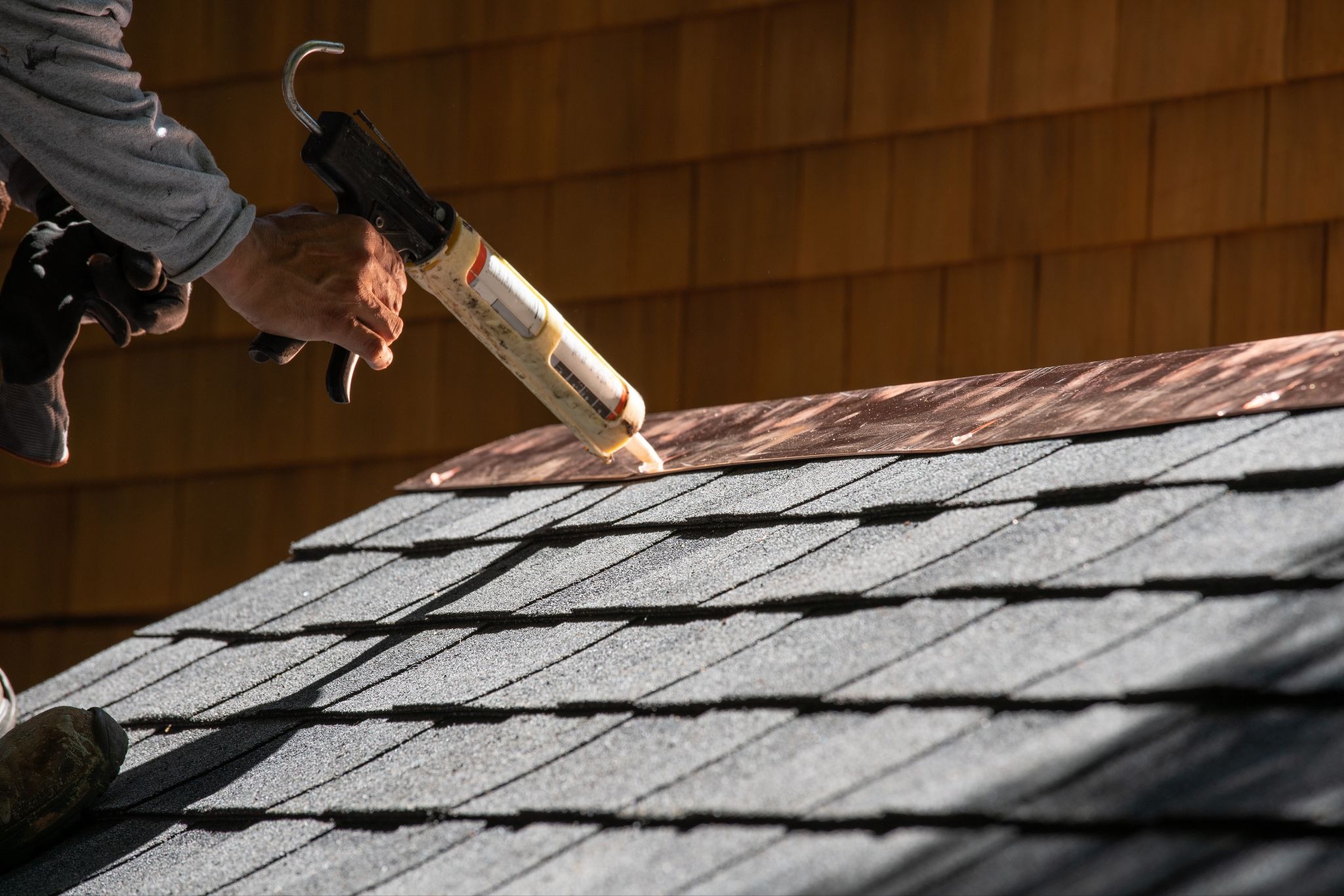
What is Roof Flashing?
Roof flashing refers to thin pieces of metal or other waterproof material that are installed at roof joints and intersections, where water is most likely to penetrate. The most common materials include aluminum, galvanized steel, and sometimes copper for specialized areas. Flashing works as a waterproof barrier, directing water away from vulnerable spots and into gutters or off the roof’s edge, instead of allowing it to pool or seep into the structure.
Key Areas Where Roof Flashing is Installed
Properly installed flashing is vital in several critical zones of your roof:
-
Chimney bases, where the intersection of masonry and roofing can allow water entry.
-
Skylights, which require careful sealing and custom-formed flashing.
-
Roof valleys, where two roof slopes meet and channel water.
-
Around roof vents, including plumbing vents and attic fans.
-
Along walls that intersect a sloped roof, such as on dormers or additions.
Each of these areas faces unique challenges, especially in the subtropical Orlando climate, where rainwater can collect quickly and work its way into even the smallest gaps.
How Roof Flashing Prevents Water Damage
Flashing operates by creating a water-resistant seal and shedding water, preventing leaks before they can start. In places like Orlando, where afternoon storms and heavy rainfall are the norm, flashing is the first defense against:
-
Leaking attics and damage to insulation.
-
Mold and mildew growth caused by damp conditions.
-
Deterioration of wood framing or roof decking. When installed correctly as part of roof repair, flashing channels water efficiently, maintaining the integrity of the entire roofing system.
Risks of Damaged or Poorly Installed Flashing
Unfortunately, flashing problems often go undetected until visible signs appear. Damaged, missing, corroded, or improperly installed flashing can lead to serious issues, such as:
-
Water entering at joints and causing persistent leaks.
-
Interior ceiling stains and drywall damage.
-
Compromised roof structure, necessitating complete roof replacement if left unchecked. Especially in Central Florida’s climate, poorly sealed flashing can let water intrude quickly, resulting in expensive repairs and reducing the life of your investment.
Why Professional Installation and Repair Matters
Attempting to repair or install flashing without professional expertise can be risky. Specialists from companies like Castle Builders And Roofing understand the unique roofing needs in Orlando, using quality materials and precise methods to ensure each flashing joint is watertight. Many issues, such as improper layering or gaps between flashing and roof materials, are difficult for untrained eyes to spot. Engaging a trusted team guarantees your storm damage repair and flashing corrections are done to the highest standards, protecting your home year-round.
Contact Castle Builders And Roofing for Flashing Repairs in Orlando, FL
Are you concerned about potential roof leaks or recent water stains on your ceiling? Castle Builders And Roofing, based in Orlando, FL provides skilled roof flashing inspection, repair, and replacement services tailored to the region’s challenging weather. Call (561) 236-1414 or fill out the online form to schedule your free roof inspection and safeguard your home from future leaks.